Have you ever found yourself juggling a myriad of items, wishing for a single, stylish solution to carry them all? The Tote Bag, an unassuming yet incredibly versatile accessory, has seamlessly transitioned from a humble utility item to a quintessential fashion statement for millions worldwide. More than just a container, it’s an extension of your personal style, a practical companion for every errand, adventure, and ambition. But with countless options flooding the market, how do you discover the one that truly speaks to your needs and aesthetic? Let’s embark on a journey to unlock the secrets of selecting the ideal tote bag that will serve you faithfully for years to come.
What is a Tote Bag? A Brief History
|
Our Picks for the Best Tote Bag in 2026
As an Amazon Associate I earn from qualifying purchases.
|
||
| Num | Product | Action |
|---|---|---|
| 1 | BAGSMART Tote Bag for Women, Lightweight Puffy Tote Bag with Compartments Shoulder Bag Handbag for Travel, Work, Gym - Lightweight, Puffy, Tote Bag with Compartments, Quilted, for Travel, Work |

|
| 2 | Cute Corduroy Tote Bag - Reusable Totes with Magnetic Buckle & Pocket Aesthetic Design Corduroy Women's Handbags for Work Travel Shopping Grocery Bags, Almond Latte |
|
| 3 | TOPDesign Puffer Tote Bag for Women, Lightweight Puffy Handbag with Compartments, Quilted Shoulder Bag for Work, Travel, Gym |
|
| 4 | CHUNLI Laptop Tote Bag for Women 15 Inch, Waterproof PU Leather Work Teacher Bag, Computer Briefcase Business Office Travel |
|
| 5 | Canvas Tote Bag for Women,Women's Bags Crossbody Bags Work Laptop Tote Bag Large Handbags Purse for Travel Nurse Teacher |
|
| 6 | TOPDesign Puffer Tote Bag for Women, Lightweight Puffy Handbag with Compartments, Quilted Shoulder Bag for Work, Travel, Gym |
|
| 7 | Tote Bag for Women with Zipper, Quilted Puffer Tote Bag with Compartments, Lightweight Puffy Work Bags for Women Travel |
|
| 8 | KALIDI PVC Tote Bag Women’s Kraft Paper Work Handbags Purses with Top Handle |
|
| 9 | LOVEVOOK Teacher Tote Bag for Women Work, Laptop Bag With Large Cup Holder, Nurse Bags Professional Briefcase Business Computer Purses Bible Handbag Gifts, Black-Beige-Brown, 15.6 Inch |
|
| 10 | MOLOVA 1-200 Pack Available Premium Canvas Reusable Tote Gift Bags, Made of Natural Canvas with Handle, Work, DIY, Shopping |
|
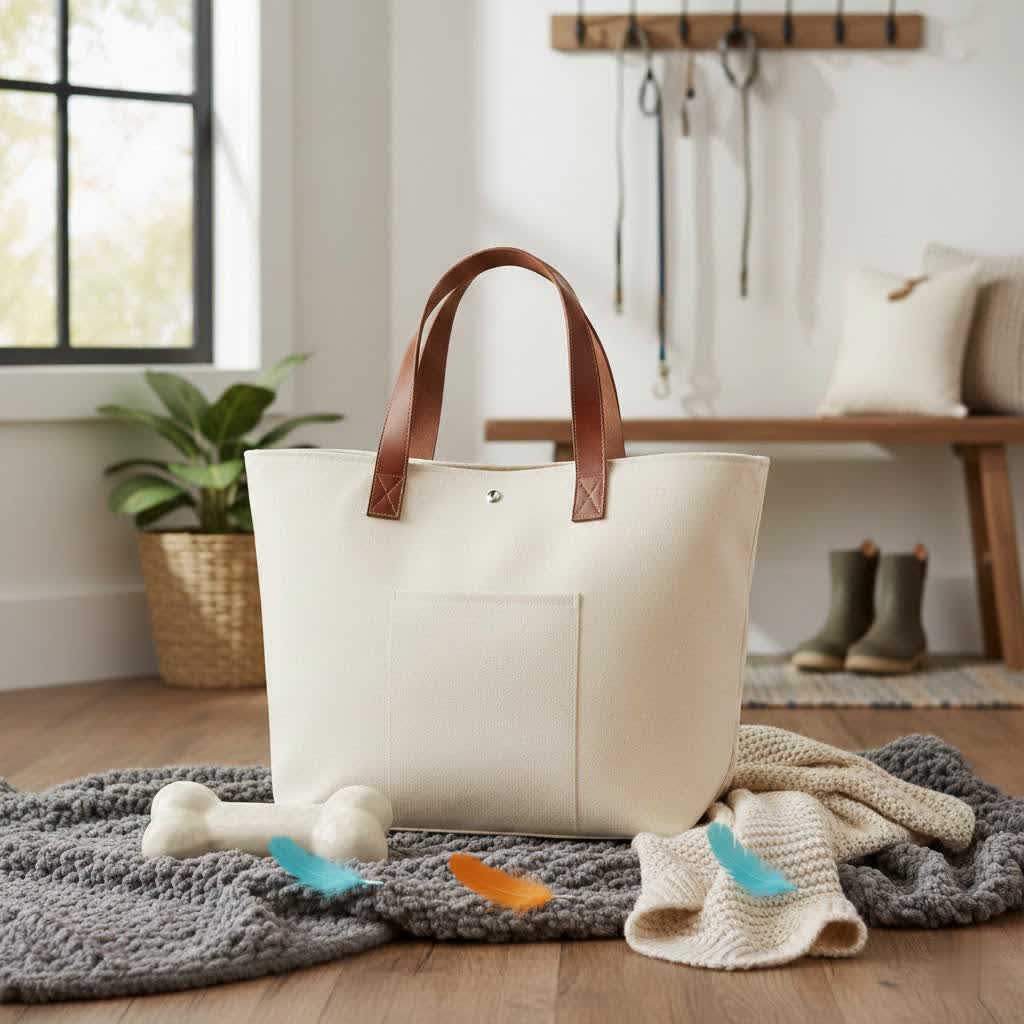
At its core, a tote bag is a large, often unfastened bag with parallel handles. The word “tote” itself, meaning “to carry,” emerged in American English during the 17th century. While humans have carried belongings in various forms for millennia, the modern tote bag as we recognize it truly took shape in 1944. It was then that L.L.Bean introduced its “Boat and Tote” bag, a sturdy canvas carrier originally designed for transporting ice. This robust, water-resistant utility bag quickly gained popularity among campers and boaters for its resilience.
By the 1960s, the tote bag shed its purely functional skin and blossomed into a casual fashion accessory. Its blank canvas became a favorite for personalized designs and brand promotion. The 1980s saw it solidify its status as an urban staple, notably with branded versions from iconic bookstores. In recent decades, the tote bag has further evolved into a powerful symbol of sustainability, championed as an eco-friendly alternative to single-use plastic bags. Today, it stands as a testament to the perfect blend of practicality, style, and conscious living.
Popular Tote Bag Types and Materials
The diversity of tote bags is one of their greatest strengths, largely defined by the materials they employ. Each fabric brings a unique set of characteristics, influencing the bag’s durability, aesthetic, and suitability for different purposes.
- Canvas Tote Bags: Arguably the most classic, canvas is a heavy-duty cotton fabric known for its exceptional strength and durability. It’s ideal for everyday use, grocery shopping, and carrying heavier loads. Canvas offers a structured look and is often washable.
- Cotton Tote Bags: Lighter and softer than canvas, cotton is a natural, breathable, and biodegradable fiber. It’s an eco-friendly choice, great for custom printing, and generally more affordable. However, it may wrinkle easily and can shrink if not pre-treated.
- Leather Tote Bags: Exuding sophistication and timeless elegance, leather totes are highly durable and long-lasting when properly cared for. They are perfect for work or more formal occasions, often featuring a polished finish. They do come with a higher price point and require regular maintenance.
- Nylon/Polyester Tote Bags: These synthetic materials are celebrated for being lightweight, water-resistant, and highly durable. They are excellent choices for gym bags, travel, or scenarios where protection from the elements is key. They often offer a sleek, modern look.
- Jute Tote Bags: A natural, rustic, and highly sustainable fiber, jute is known for its strong, coarse texture. Jute bags are biodegradable and offer a distinctive earthy appeal, making them popular among eco-conscious consumers for market trips or beach outings.
- Recycled Polyester (rPET) Tote Bags: A modern, eco-conscious option, rPET is made from recycled plastic bottles, offering durability and water resistance while reducing environmental impact.
- Denim Tote Bags: Durable and trendy, denim totes offer a casual yet stylish look, evolving from the classic fabric.
Beyond material, tote bags also vary by size—from compact styles for minimal essentials to oversized options perfect for weekend getaways or substantial grocery hauls. Their purpose can range from dedicated work totes with laptop compartments to casual carryalls for daily errands.
Detailed Comparison Table: Tote Bag Materials
| Material | Key Features | Durability | Water Resistance | Best For | Price Range |
|---|---|---|---|---|---|
| Canvas | Thick, sturdy, structured, excellent for printing | High | Low (can be treated) | Everyday, heavy loads, grocery, casual outings | Mid |
| Cotton | Soft, lightweight, breathable, natural, biodegradable | Medium-High | Low | Light errands, promotions, eco-conscious choice | Low-Mid |
| Leather | Luxurious, smooth, ages well, professional look | Very High | Medium | Work, formal events, fashion statement | High-Luxury |
| Nylon/Polyester | Lightweight, water-resistant, wrinkle-resistant, versatile | High | High | Gym, travel, outdoor activities, rainy weather | Low-Mid |
| Jute | Rustic, natural, biodegradable, coarse texture | Medium-High | Low | Eco-conscious, beach, market shopping | Low-Mid |
| Recycled Polyester | Eco-friendly, durable, made from recycled plastic bottles | High | High | Sustainable choice, everyday, light rain | Mid |
| Denim | Trendy, durable, casual aesthetic | High | Low | Casual fashion, everyday errands | Mid |
Key Factors to Consider When Buying a Tote Bag
Choosing the perfect tote bag involves a thoughtful assessment of several factors. By considering these points, you can ensure your selection aligns perfectly with your lifestyle and preferences.
- Purpose: Start by defining the primary use. Will it be your daily work companion, holding a laptop and documents? Or a trusty travel bag for weekend escapes? Perhaps a spacious grocery tote, or a stylish accessory for casual outings? A dedicated gym bag, or a school tote for books and supplies? Understanding its role will narrow down your options significantly.
- Material: As explored above, the material dictates much about a tote’s performance and aesthetics. For heavy use and durability, canvas or nylon are excellent. For a sophisticated look, leather is unmatched. If sustainability is a priority, consider organic cotton, jute, or recycled polyester.
- Size & Capacity: Think about what you typically carry. If a laptop, water bottle, and several books are daily essentials, a larger tote (e.g., 35-40cm width for everyday, larger for work/travel) with multiple compartments is crucial. For lighter loads, a medium-sized tote might be more practical and less bulky. Oversized totes are fantastic for shopping or beach trips.
- Durability & Construction: A well-made tote bag is an investment. Inspect the stitching; it should be neat and reinforced, especially at stress points like handle attachments. Look for quality hardware such as sturdy zippers, magnetic snaps, or durable clasps. Reinforced bottoms can prevent sagging and extend the bag’s life.
- Design & Aesthetics: This is where your personal style shines. Do you prefer a minimalist, structured design or a relaxed, bohemian look? Consider the color, pattern, and overall silhouette. Beyond external appeal, internal organization is key. Pockets (slip pockets, zippered compartments) help keep smaller items like keys, phone, and wallet accessible and secure, preventing a chaotic interior.
- Comfort: The straps are vital for comfort. Wider, padded straps distribute weight more evenly, preventing shoulder strain, especially when carrying heavier items. Consider the strap length—short straps for handheld carry, medium for shoulder, and adjustable straps for maximum flexibility.
- Price & Value: Tote bags range from budget-friendly options to luxury investments. Determine your budget, but also consider the long-term value. A well-constructed bag made from quality materials, even if initially more expensive, often proves more economical over time due to its longevity.
- Sustainability: If environmental impact is a concern, seek out brands that use eco-friendly materials (organic cotton, recycled fabrics) and ethical manufacturing processes. Many companies now proudly highlight their commitment to sustainability.
Top Picks: Enduring Tote Bag Styles
While specific brands and models come and go, certain types of tote bags consistently earn high praise for their quality, design, and utility.
- The Classic Canvas Work Tote: Think sturdy, structured canvas with reinforced handles and often an internal laptop sleeve. These are designed to withstand daily commutes and carry professional essentials with ease, often featuring neutral tones for a versatile look.
- The Eco-Chic Market Tote: Made from durable organic cotton or jute, these bags are spacious, often foldable, and perfect for grocery runs, farmers’ markets, or a casual day out. Their natural aesthetic complements a relaxed, conscious lifestyle.
- The Luxury Leather Everyday Tote: Crafted from high-quality leather, these totes are a statement piece. They balance spaciousness with a refined design, typically featuring interior pockets and secure closures. They seamlessly transition from day to evening and elevate any outfit.
- The Lightweight Nylon Travel Tote: Known for their packability, water resistance, and ease of cleaning, nylon totes are ideal for travel. Many designs are foldable and feature external pockets for quick access to travel documents.
- The Versatile Designer Hybrid Tote: Some premium brands offer totes that blend materials, like canvas bodies with leather trims, or feature clever internal organization systems. These often combine style, durability, and multi-purpose functionality.
Tote Bag Care and Maintenance Tips
Proper care is paramount to extending the life and maintaining the pristine appearance of your beloved tote bag. Different materials require specific attention, but here are some general guidelines:
- Regular Cleaning: Empty your tote bag daily to remove crumbs and debris. Gently shake it out. For most fabric totes, a soft brush or lint roller can remove surface dust and dirt from both the interior and exterior.
- Addressing Stains: Act quickly on spills! Blot (don’t rub) the affected area with a clean, damp cloth. For stubborn stains, use a mild detergent or stain remover appropriate for the material. Always perform a spot test on an inconspicuous area first to avoid discoloration.
- Washing Fabric Totes (Canvas, Cotton, Polyester):
- Hand Wash: This is often the safest method. Use cold water and a mild, eco-friendly detergent. Gently scrub with a soft brush or cloth.
- Machine Wash: Check the care label. If machine washable, turn the bag inside out and place it in a mesh laundry bag to protect it. Use a gentle cycle with cold water. Avoid harsh chemicals like bleach, which can weaken fabric and fade colors.
- Cleaning Leather Totes: Wipe down regularly with a soft, damp cloth to remove dirt. Use a specialized leather cleaner and conditioner periodically to keep the material supple and prevent cracking. Avoid excessive moisture.
- Drying: Always air dry your tote bag. Hang it up or lay it flat in a shaded area. Avoid direct sunlight or heat sources (like radiators or dryers), as these can cause shrinkage, fading, or damage to the fabric and any prints.
- Proper Storage: When not in use, store your tote in a cool, dry place, away from direct sunlight and moisture-prone areas. For structured bags, stuff them with acid-free tissue paper or a soft cloth to help maintain their shape and prevent creases. Leather totes benefit from being stored in a dust bag to protect them from scratches and dust.
- Avoid Overloading: While totes are spacious, consistently overloading them with excessively heavy items can strain the handles, stitching, and fabric, leading to premature wear and tear. Respect your bag’s capacity.
- Rotate Usage: If you have multiple tote bags, rotating their use allows each bag to rest and air out, significantly reducing wear and tear on any single item.
The tote bag’s journey from a simple carrier to a global style icon highlights its incredible adaptability and enduring appeal. By understanding its history, exploring the myriad of materials, and carefully considering your personal needs, you’re now equipped to make an informed choice that will bring joy and utility to your daily life.
Frequently Asked Questions
What makes a tote bag different from other bags?
A tote bag typically features a large, often unfastened main compartment with parallel handles, designed for carrying a wide variety of items. Unlike structured handbags or backpacks, totes are known for their open design and versatility, easily adapting to different purposes from shopping to daily commutes.
Are tote bags good for the environment?
Yes, reusable tote bags are generally considered eco-friendly because they significantly reduce the need for single-use plastic bags. Choosing totes made from sustainable materials like organic cotton, jute, or recycled polyester further enhances their environmental benefits, supporting a greener lifestyle.
How do I clean a canvas tote bag?
Most canvas tote bags can be hand-washed with cold water and a mild detergent, scrubbing gently with a soft brush. Some are machine washable on a gentle cycle, turned inside out in a laundry bag. Always air dry in a shaded area to prevent shrinkage and fading, avoiding direct sunlight or machine dryers.
Can I use a tote bag for work?
Absolutely! Many tote bags are specifically designed for professional use, featuring sturdy construction, laptop compartments, secure closures (like zippers), and internal pockets for organization. Leather or structured canvas totes in neutral colors are popular choices for a polished work look.
What’s the ideal size for an everyday tote bag?
The ideal size for an everyday tote bag depends on your personal carrying needs. A medium-sized tote (approximately 35-40cm in width) is often considered versatile enough for daily essentials like a wallet, phone, keys, and a small book, without becoming overly bulky.
