The allure of a suede tote bag is undeniable. With its luxurious, velvety texture and sophisticated aesthetic, a well-chosen suede tote can instantly elevate any outfit, adding a touch of timeless elegance to your wardrobe. However, the delicate nature of suede also comes with its own set of considerations for maintenance and longevity. As an experienced technician with ReviewMyEMR.com, I’ve seen countless bags and understand what truly makes a tote bag a worthwhile investment. This comprehensive guide will walk you through everything you need to know about selecting, caring for, and styling your perfect suede tote bag, ensuring it remains a cherished accessory for years to come.
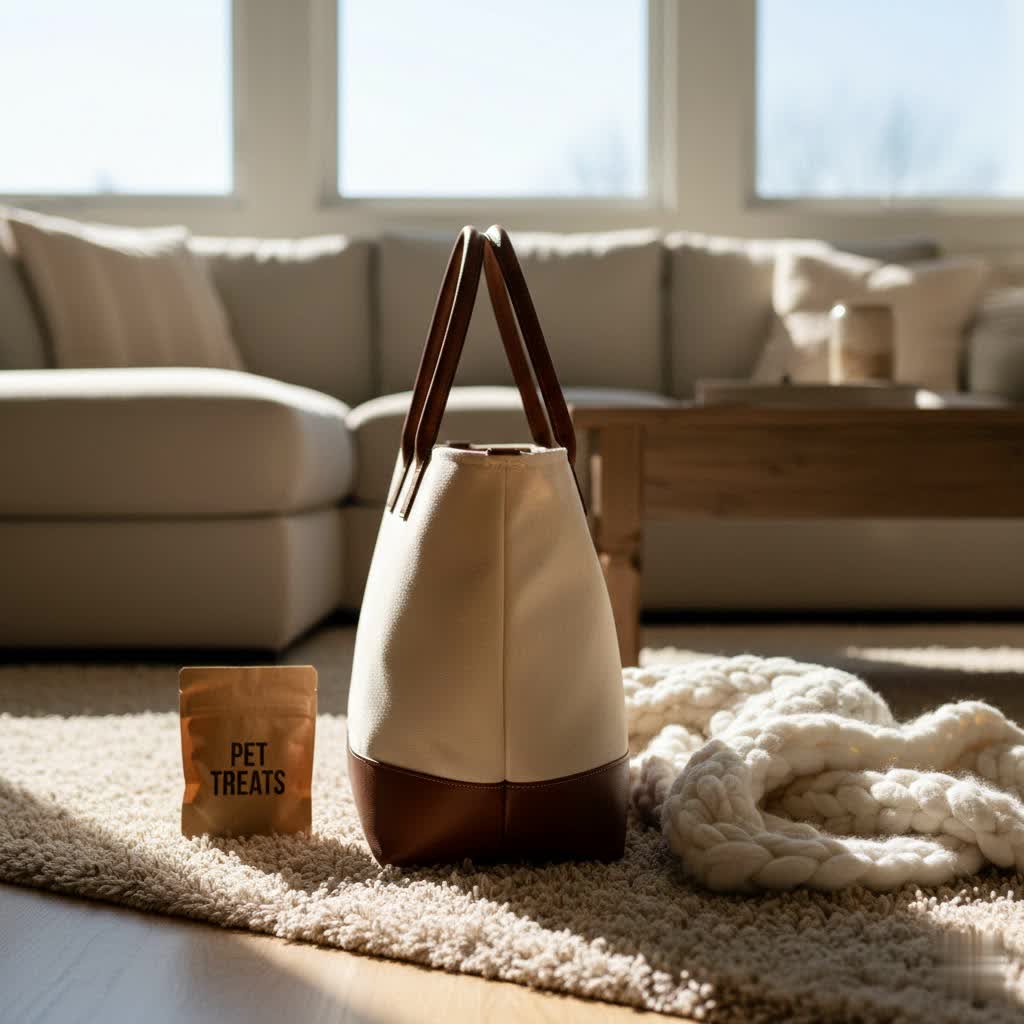
Understanding Suede Tote Bags
Suede is a type of leather that comes from the inner split of an animal hide, typically lambskin, goatskin, or calfskin. Unlike full-grain leather, which uses the tough outer layer, suede is buffed and sanded to create its characteristic soft, napped finish. This unique texture is what gives suede its plush feel and matte appearance, making it a favorite for those seeking a material that whispers luxury rather than shouts it.
The popularity of suede tote bags stems from several key factors. Their rich texture offers a unique sensory experience and a visually appealing depth that smooth leathers often lack. Suede also boasts a timeless appeal, consistently featuring in fashion trends while maintaining its classic status. Furthermore, modern suede totes are surprisingly versatile, available in a wide array of colors, sizes, and designs that can complement various styles and occasions, from casual outings to more professional settings.
Types of Suede Tote Bags
Suede tote bags come in diverse forms, differentiated by their material quality, size, and intended use. Understanding these distinctions is crucial for making an informed purchase.
By Quality and Material
The quality of suede significantly impacts a tote bag’s look, feel, and durability.
- Full-grain Suede: This is the highest quality suede, derived from the top layer of the hide. It boasts a buttery-soft surface and natural strength, offering superior longevity and a luxurious feel.
- Split Suede: Made from the lower layers of the hide, split suede tends to be less durable and can wear more quickly, often appearing cheaper in texture and finish.
- Faux Suede: A synthetic alternative, faux suede mimics the look and feel of genuine suede using materials like polyester or microfiber. While it may lack the natural breathability, it often offers enhanced stain and water resistance, and is generally more affordable.
|
Our Picks for the Best Tote Bag in 2026
As an Amazon Associate I earn from qualifying purchases.
|
||
| Num | Product | Action |
|---|---|---|
| 1 | BAGSMART Tote Bag for Women, Lightweight Puffy Tote Bag with Compartments Shoulder Bag Handbag for Travel, Work, Gym - Lightweight, Puffy, Tote Bag with Compartments, Quilted, for Travel, Work |

|
| 2 | MOLOVA 1-200 Pack Available Premium Canvas Reusable Tote Gift Bags, Made of Natural Canvas with Handle, Work, DIY, Shopping |
|
| 3 | LOVEVOOK Teacher Tote Bag for Women Work, Laptop Bag With Large Cup Holder, Nurse Bags Professional Briefcase Business Computer Purses Bible Handbag Gifts, Black-Beige-Brown, 15.6 Inch |
|
| 4 | Canvas Tote Bag for Women,Women's Bags Crossbody Bags Work Laptop Tote Bag Large Handbags Purse for Travel Nurse Teacher |
|
| 5 | Tote Bag for Women with Zipper, Quilted Puffer Tote Bag with Compartments, Lightweight Puffy Work Bags for Women Travel |
|
| 6 | KALIDI PVC Tote Bag Women’s Kraft Paper Work Handbags Purses with Top Handle |
|
| 7 | TOPDesign Puffer Tote Bag for Women, Lightweight Puffy Handbag with Compartments, Quilted Shoulder Bag for Work, Travel, Gym |
|
| 8 | TOPDesign Puffer Tote Bag for Women, Lightweight Puffy Handbag with Compartments, Quilted Shoulder Bag for Work, Travel, Gym |
|
| 9 | Cute Corduroy Tote Bag - Reusable Totes with Magnetic Buckle & Pocket Aesthetic Design Corduroy Women's Handbags for Work Travel Shopping Grocery Bags, Almond Latte |
|
| 10 | CHUNLI Laptop Tote Bag for Women 15 Inch, Waterproof PU Leather Work Teacher Bag, Computer Briefcase Business Office Travel |
|
By Size
Suede tote bags are available in various sizes to accommodate different carrying needs:
- Small/Mini Totes: Ideal for carrying minimal essentials like a wallet, phone, and keys.
- Medium Totes: A versatile choice for daily use, fitting a small tablet, a book, and everyday necessities.
- Large/Maxi Totes: Perfect for those who carry more, such as laptops (up to 15 inches), notebooks, water bottles, and other work or travel essentials. These often feature structured sides to maintain shape.
By Purpose of Use
The design and structure of a suede tote bag often dictate its best use:
- For Work: Structured suede totes with sturdy bases and internal compartments are excellent for professional environments, comfortably fitting laptops and documents.
- For Casual Days: Slouchy or hobo-style suede totes offer a relaxed appeal, pairing well with jeans and sweaters for everyday errands or weekend outings.
- For Shopping/Travel: Spacious, often unstructured maxi totes provide ample room for groceries, extra layers, or travel necessities, blending functionality with effortless style.
Suede Tote Bags vs. Leather Tote Bags: A Comparison
When considering a new bag, the choice between suede and traditional leather often arises. Both materials offer distinct advantages and disadvantages, particularly concerning durability, maintenance, and aesthetic appeal.
Durability and Longevity
Suede: While charming, suede is inherently less durable than full-grain leather. Being made from the inner split of the hide, its fibers are looser and more susceptible to wear and tear, scuffs, and flattening of the nap. With meticulous care and regular protection, a high-quality suede tote bag can last 3-7 years.
Leather: Traditional leather, derived from the tougher outer layer of the hide, boasts superior density and strength. It is more resistant to scratches and abrasions, and with proper conditioning, a well-made leather tote can last 10-30 years, developing a unique patina over time.
Water Resistance
Suede: Suede is notoriously not water-resistant. Its porous, napped surface readily absorbs liquids, making it highly susceptible to water stains and damage. Even light rain can leave lasting marks without adequate protection.
Leather: Leather offers better natural water resistance due to its denser, smoother surface. While not entirely waterproof, it can withstand light moisture more effectively than suede, and many leather bags are treated for enhanced water repellency.
Maintenance
Suede: Suede demands delicate and specific care. It requires specialized brushes, erasers, and protector sprays to maintain its texture and prevent stains. Cleaning spills promptly and storing the bag correctly are crucial for its upkeep.
Leather: Leather is generally more forgiving to maintain. It can often be wiped clean with a damp cloth and benefits from periodic conditioning to keep it supple and prevent cracking.
Aesthetics and Feel
Suede: Suede is celebrated for its soft, velvety touch and matte finish, exuding an understated luxury and a trendy yet classic appeal. It often provides a softer drape and a more relaxed silhouette.
Leather: Leather has a smoother, often firmer texture, offering a polished and timeless elegance. It can range from supple and refined to rugged and structured, depending on the type and finish.
Key Factors to Consider When Buying Your Perfect Suede Tote Bag
Choosing the perfect suede tote bag involves more than just aesthetics; it’s about finding a piece that aligns with your lifestyle, quality expectations, and budget. Here’s a comprehensive buying guide.
Material Quality
The foundation of a lasting suede tote is the quality of its material. Always look for indications of genuine suede, and if possible, confirm it’s full-grain suede for the best durability and feel. Be wary of vague terms like “suede-style” or “suede-look,” which often indicate synthetic or lower-quality bonded materials. Inspect the suede for softness and an even nap, free from blemishes.
Construction and Craftsmanship
A high-quality suede tote bag showcases meticulous attention to detail in its construction.
- Stitching: Examine the stitching for neatness, tightness, and consistency. Reinforced, clean lines signify a well-made bag that will withstand daily use.
- Handles: Handles should be robust and securely attached, ideally with reinforced stitching, to handle the bag’s contents without stretching or breaking. Wider straps tend to distribute weight more comfortably.
- Lining: A durable and well-fitted interior lining, often made of sturdy fabric, adds to the bag’s longevity and helps maintain its shape. Internal pockets and compartments enhance organization.
- Hardware: Opt for quality hardware made from brass or stainless steel, which resist tarnish and complement the elegant nature of suede. Avoid flimsy or plastic-like clasps.
Size and Shape
Consider what you intend to carry daily.
- Capacity: If you need to carry a laptop (e.g., 13-inch or 15-inch), ensure the bag’s dimensions are at least 1-2 inches larger than your device, with potential padding for protection. For minimalists, a smaller, structured bag might suffice.
- Structure: Structured totes maintain their shape even when empty, offering a polished look ideal for work. Slouchy or unstructured bags provide a more casual, relaxed aesthetic.
Color and Design
Suede tote bags come in a spectrum of colors.
- Versatility: Neutral shades like black, brown, beige, or olive green are versatile and timeless, easily pairing with various outfits and seasons.
- Statement: Bolder colors like burgundy or emerald can make a striking fashion statement.
- Personal Style: Choose a design that reflects your personal aesthetic, whether minimalist, boho, or classic. Consider the placement and utility of external pockets or unique handle designs.
Price
The price of a suede tote bag often reflects its quality and craftsmanship.
- Budget vs. Quality: While tempting, avoid ultra-low-cost options (under $40), as they frequently use bonded or faux suede with poor breathability and a short lifespan.
- Investment: For a balanced mix of craftsmanship, ethical sourcing, and longevity, expect to invest between $80–$150. Designer suede totes can range into thousands, offering premium materials and exclusive designs. Treat a high-quality suede tote as an investment piece that will provide lasting style and functionality.
Top Picks: Popular Suede Tote Bags
The market offers a fantastic range of suede tote bags, catering to diverse tastes and needs. While specific models and brands can change with trends, certain styles consistently receive high praise for their quality, design, and practicality.
For a sophisticated work companion, structured suede totes from brands renowned for their craftsmanship are often highlighted. These typically feature clean lines, robust construction capable of holding a laptop and documents, and elegant hardware. They are designed for durability and a polished aesthetic that transitions seamlessly from office to evening.
On the more casual side, slouchy or bucket-style suede totes are incredibly popular. These bags emphasize suede’s soft drape, offering a relaxed yet chic vibe. Many feature spacious interiors, often with magnetic closures or simple ties, making them ideal for everyday errands, weekend getaways, or carrying all your essentials in effortless style. Colors like rich chocolate brown, deep black, or warm camel are perennial favorites for their versatility.
Minimalist suede totes also garner significant attention. These designs prioritize simplicity, focusing on the luxurious texture of the suede itself with minimal embellishments. They are celebrated for their understated elegance and ability to complement a wide range of fashion aesthetics, appealing to those who appreciate subtle luxury and timeless design. Regardless of the style, the most celebrated suede totes share a common thread: exceptional material quality, thoughtful construction, and a design that blends seamlessly with a modern wardrobe.
Essential Tips for Maintaining Your Suede Tote Bag
Suede, with its luxurious nap, requires a bit of special attention to keep it looking pristine. Proper care and maintenance are crucial to extend the life and beauty of your suede tote bag.
Protection is Key
The first step in suede care is prevention.
- Suede Protector Spray: As soon as you purchase a new suede tote, apply a high-quality suede protector spray. This creates an invisible shield against moisture and stains. Reapply every few months, or more frequently with heavy use, ensuring an even coat in a well-ventilated area, about 8-10 inches away from the bag.
- Avoid Water: Suede and water are not friends. Do your best to avoid rain or excessive moisture. If your bag gets wet, blot off excess water immediately with a clean, dry cloth, and allow it to air dry naturally away from direct heat sources. Never use a hairdryer or place it near a radiator, as this can stiffen or damage the suede.
- Limit Direct Sunlight: Prolonged exposure to direct sunlight can cause suede to fade and dry out. Store your bag in a shaded area.
Daily Care and Cleaning Stains
Regular, gentle care can prevent most issues.
- Daily Brushing: Use a dedicated suede brush to gently brush the nap in one direction. This helps remove dust, lift flattened fibers, and maintain the suede’s characteristic texture.
- Spot Cleaning Dry Dirt/Scuffs: For superficial dirt or scuff marks, gently rub with a suede eraser. A clean toothbrush can also work for stubborn spots. For tiny surface dirt, folded sticky tape can lift particles.
- Handling Wet Spills: Act quickly. Blot (do not rub!) any fresh spills with a clean, absorbent cloth to soak up as much liquid as possible. Let the area air dry completely.
- Greasy Stains: For oil or grease stains, sprinkle cornstarch, baking soda, or talcum powder directly onto the stain. Let it sit for several hours (or overnight) to absorb the oil, then gently brush it off.
- Watermarks/Deeper Stains: For stubborn watermarks or other set-in stains, a slightly damp cloth with a small amount of white vinegar or rubbing alcohol can be effective. Always test on an inconspicuous area first, and use sparingly to avoid soaking the suede. Gently pat the stain rather than rubbing vigorously.
- Avoid Harsh Chemicals: Never use regular soap, water, or harsh cleaning chemicals on suede, as these can leave permanent stains or alter the texture.
“Suede is a material that rewards diligent care. A good protector spray and a quick brush after each use can make all the difference in preserving its luxurious feel.” – Eleanor Vance, Textile Conservation Specialist
Proper Storage
How you store your suede tote when not in use significantly impacts its longevity.
- Breathable Storage: Always store your suede bag in a breathable dust bag or a soft pillowcase. Avoid plastic covers, which can trap moisture and lead to mildew.
- Maintain Shape: Stuff your tote with acid-free tissue paper or a soft scarf to help it retain its shape and prevent creasing.
- Cool, Dark, and Spacious: Keep your bag in a cool, dry, and dark place, away from humidity and direct light. Ensure it has enough space to breathe and isn’t crushed under other items, which can cause misshaping.
Restoring Stiff Suede
If your suede tote feels stiff after drying or due to lack of moisture, you can gently try to restore its texture. Hold the affected area about 6-8 inches away from steam (e.g., from a boiling kettle) for 1-2 minutes. Do not soak the material. The steam will help relax the fibers. Once dry, gently brush the suede to restore its plush feel.
Conclusion
A suede tote bag is more than just an accessory; it’s a statement of style and a testament to refined taste. Its unparalleled velvety texture and timeless appeal offer a sophisticated touch that smooth leathers simply can’t replicate. While suede demands a bit more attention in terms of care and protection, the effort is undoubtedly worth it for an item that brings so much elegance and character to your ensemble.
By understanding the nuances of material quality, considering your lifestyle needs during selection, and diligently following proper maintenance practices, you can ensure your suede tote bag remains a cherished and beautiful companion for many years. Investing in a high-quality suede tote and committing to its care is an investment in enduring style. So, are you ready to embrace the luxurious world of suede tote bags?
Frequently Asked Questions
Is a suede tote bag good for everyday use?
A suede tote bag can be suitable for everyday use, especially if you prioritize style and are committed to its care. While suede is softer and more delicate than traditional leather, making it prone to scuffs and water damage, consistent use of a suede protector spray and regular gentle cleaning can maintain its appearance. Many find its luxurious feel and stylish versatility ideal for daily wear, provided it’s not exposed to harsh elements.
How do you waterproof a suede tote bag?
Suede is not naturally waterproof, but you can significantly enhance its water resistance by applying a specialized suede protector spray. This creates an invisible barrier that repels moisture and helps prevent stains. It’s crucial to apply the spray evenly in a well-ventilated area before its first use and reapply periodically, usually every few months, to maintain protection.
What’s the difference between suede and nubuck?
Both suede and nubuck are types of napped leather, but they come from different parts of the hide. Suede is made from the inner split of the hide, buffed to create a soft, fuzzy texture with a pronounced nap. Nubuck, on the other hand, is made from the outer grain side of the hide, lightly sanded or buffed to produce a fine, velvet-like surface with a very short, fine nap. Nubuck is generally more durable than suede due to its origin from the tougher outer layer.
Can you clean a suede bag with water?
Generally, you should avoid cleaning a suede bag with water, as water can leave stains and alter the nap of the material. For most dry dirt and scuffs, a suede brush and eraser are recommended. For tougher stains, specialized suede cleaning products, or home remedies like white vinegar or rubbing alcohol applied sparingly with a clean cloth, are preferred. Always test any cleaning method on an inconspicuous area first.
How long does a good suede tote bag last?
With proper care, a high-quality genuine suede tote bag can last anywhere from 3 to 7 years. Its longevity depends on several factors, including the initial quality of the suede, frequency of use, climate, and how diligently it is protected and maintained. Regular cleaning, timely stain removal, appropriate storage, and consistent application of protector spray can significantly extend its lifespan.
